01
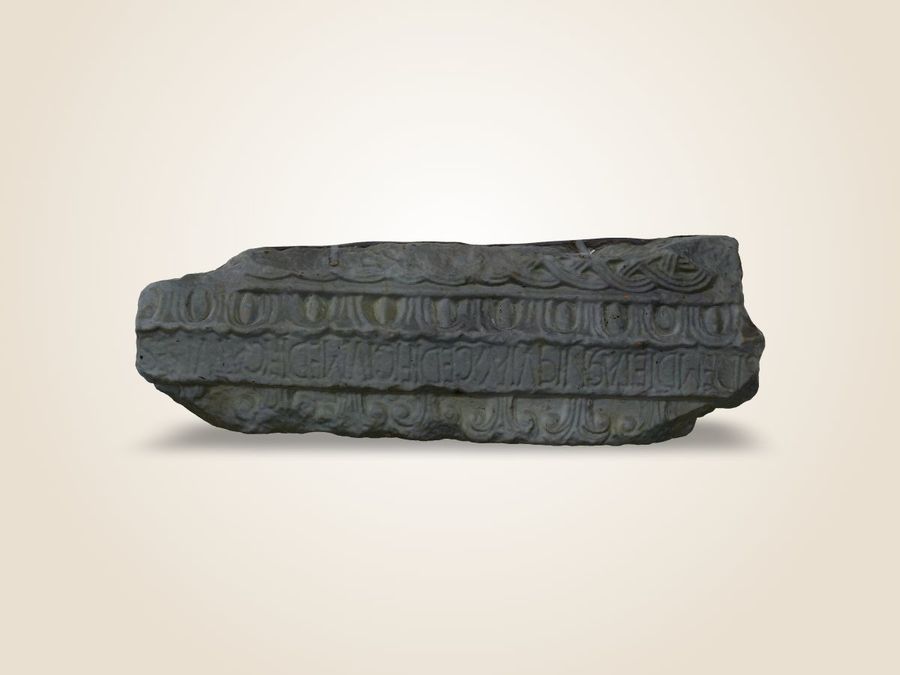
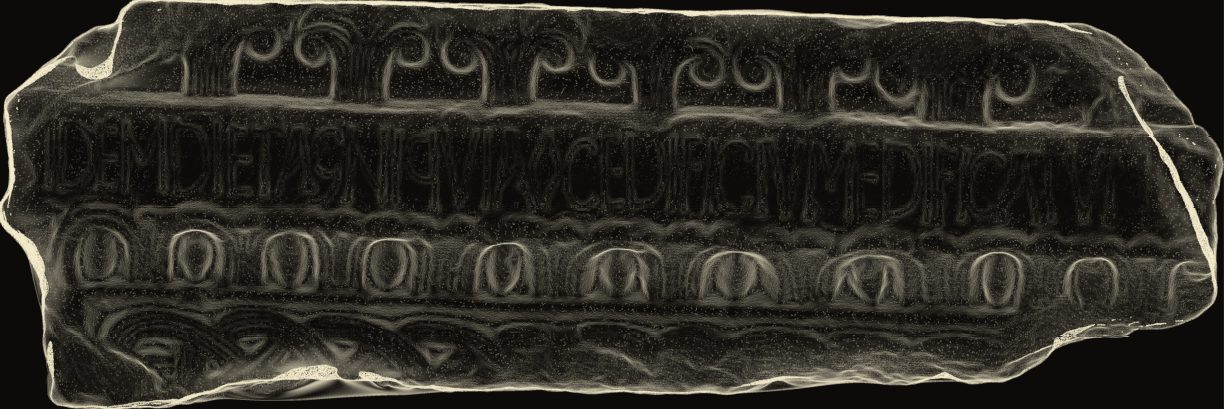
The ciborium inscription, read from the scan
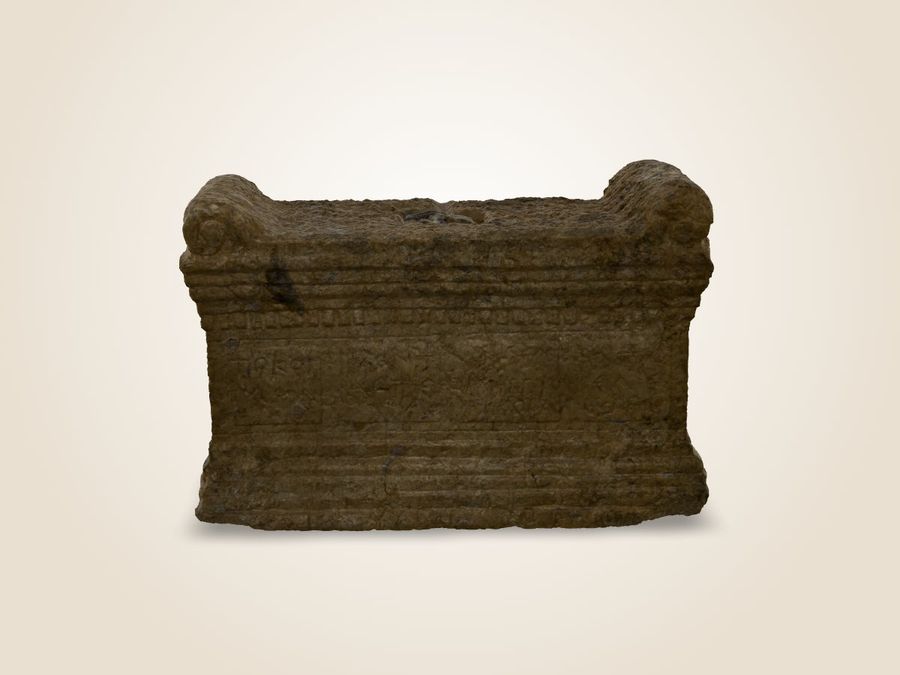
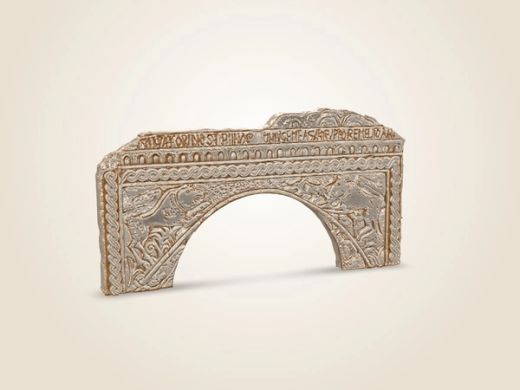
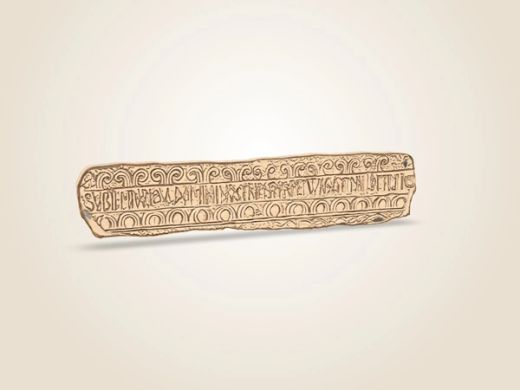
The face of the Ulcinj ciborium fragment (8th–9th century) was lit virtually from 16 directions. Letters cut less than a millimetre deep become legible: …OC EDIFICIVM EDIFICAVIT.
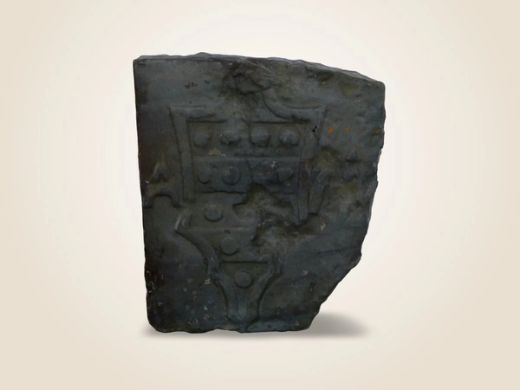
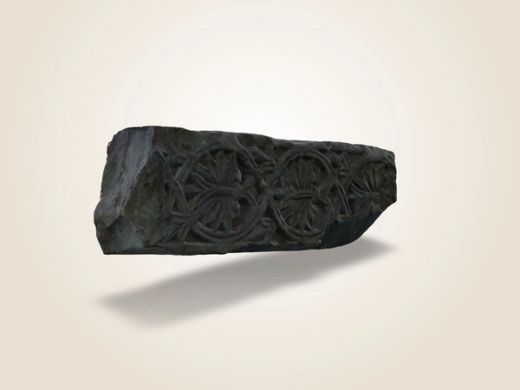
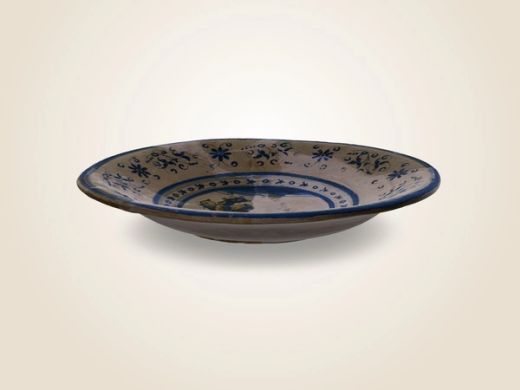
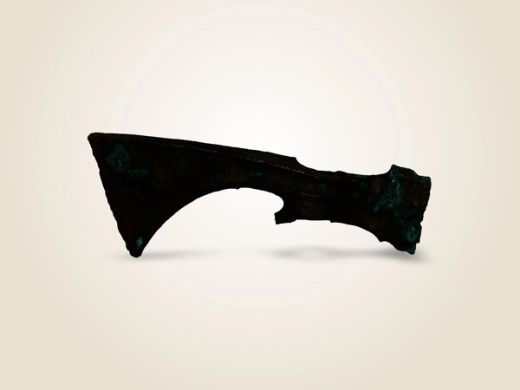
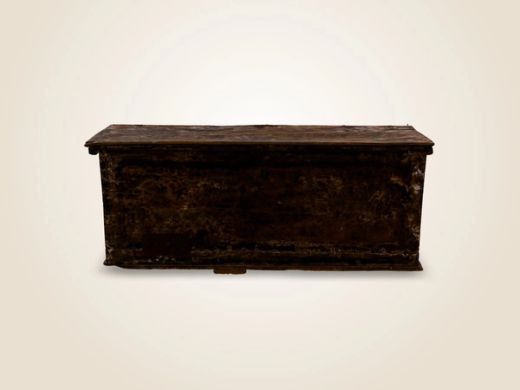
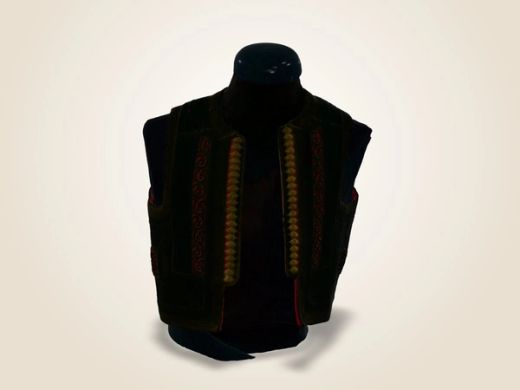
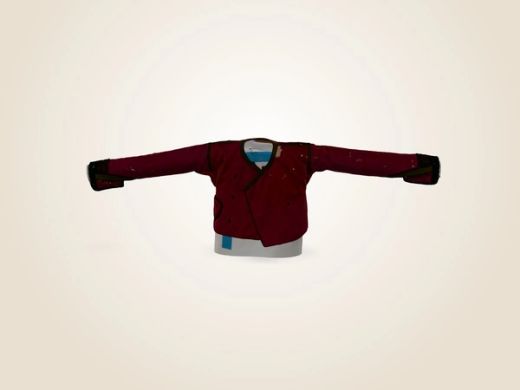
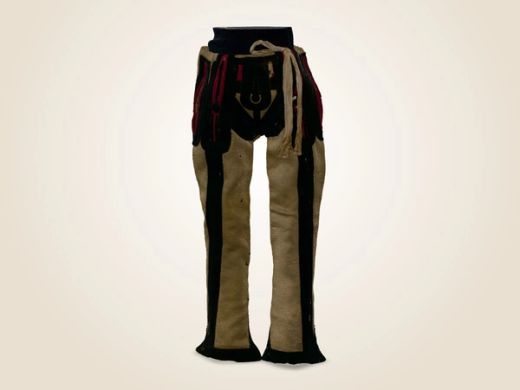
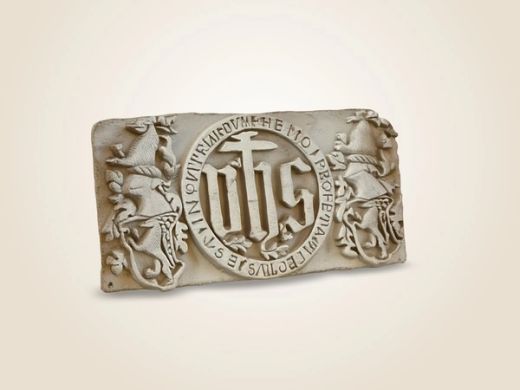
View in 3D →What a display case shows through glass, here you turn in your hand. An ancient altar, stone carvings from the Old Town and objects from the Ulcinj museum, scanned to the last millimetre.
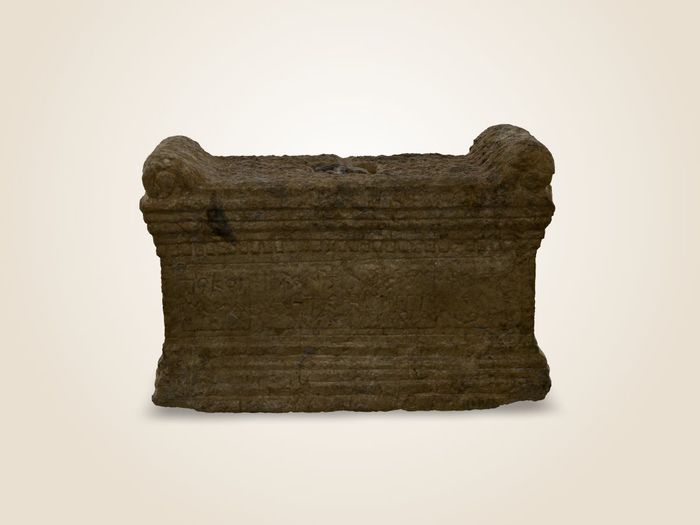
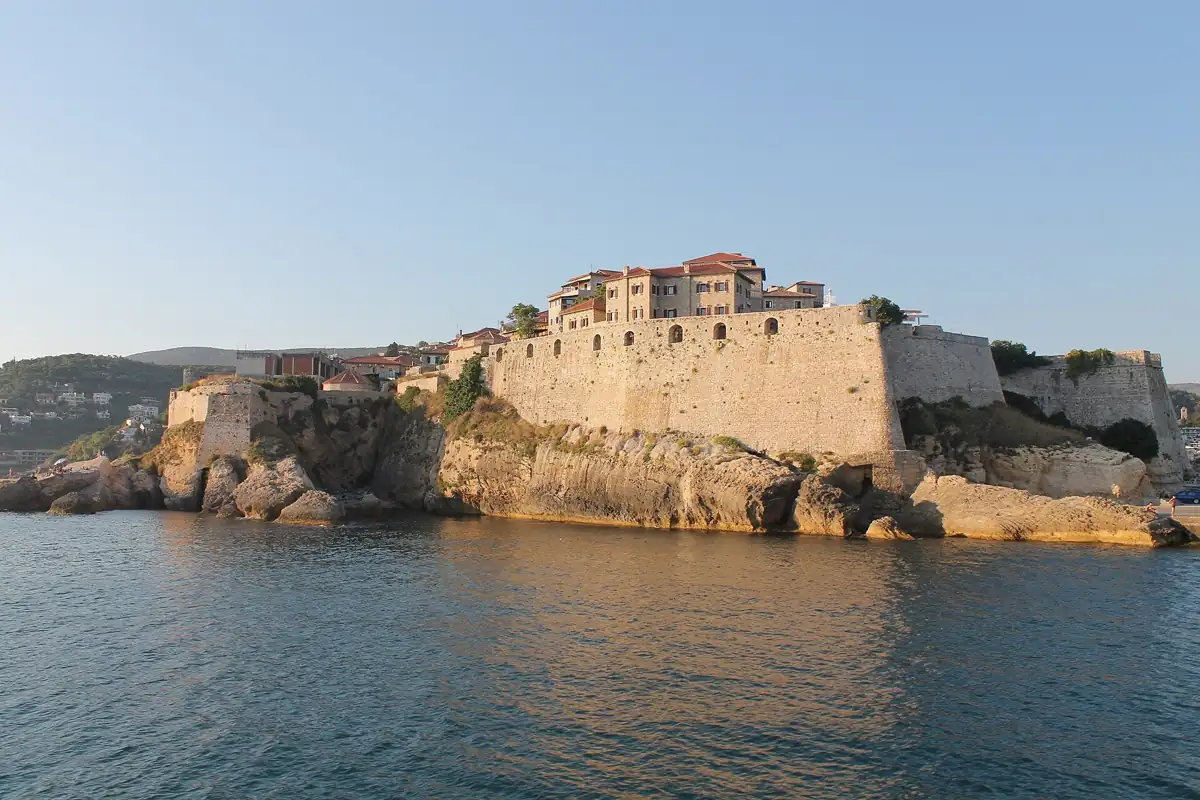
Artifacts and architecture of Ulcinj in digital form
A digital twin is not a photograph. Every point of the model carries a measurement, so it can be read even where time has all but erased the stone.
The face of the Ulcinj ciborium fragment (8th–9th century) was lit virtually from 16 directions. Letters cut less than a millimetre deep become legible: …OC EDIFICIVM EDIFICAVIT.
View in 3D →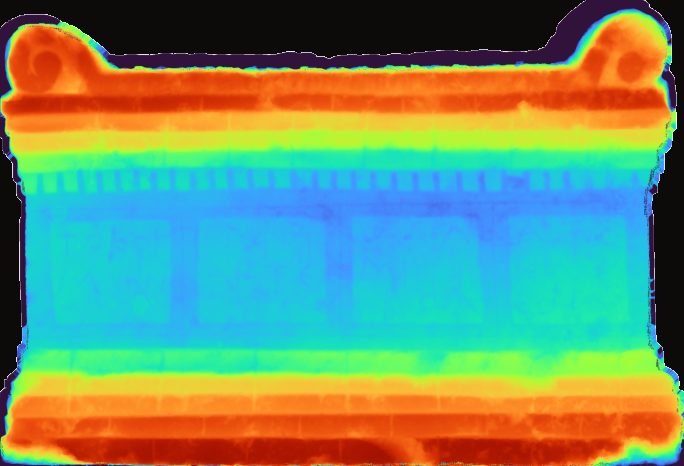
Colour shows the relief in millimetres against the plane of the altar body. The cornice and base project by about 13 mm; in the middle sit the four fields of the 1st-century BC Greek inscription.
View in 3D →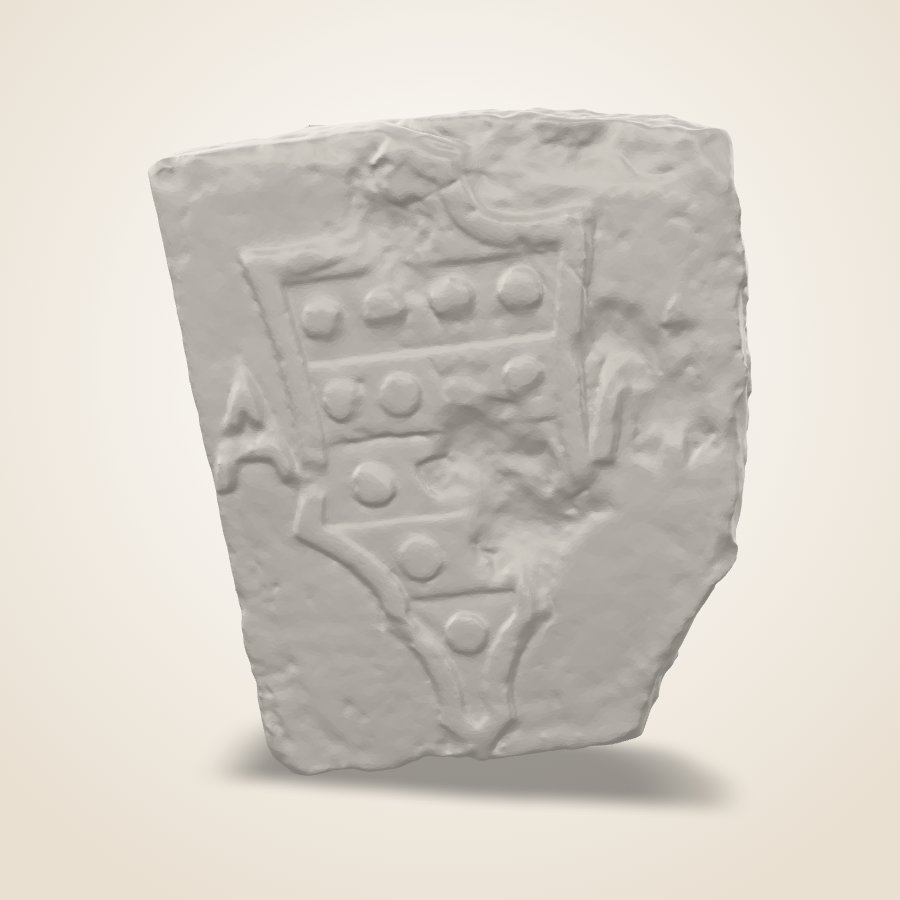
The object is captured from hundreds of angles. Those captures become a point cloud — the geometry of the original, measured rather than estimated.
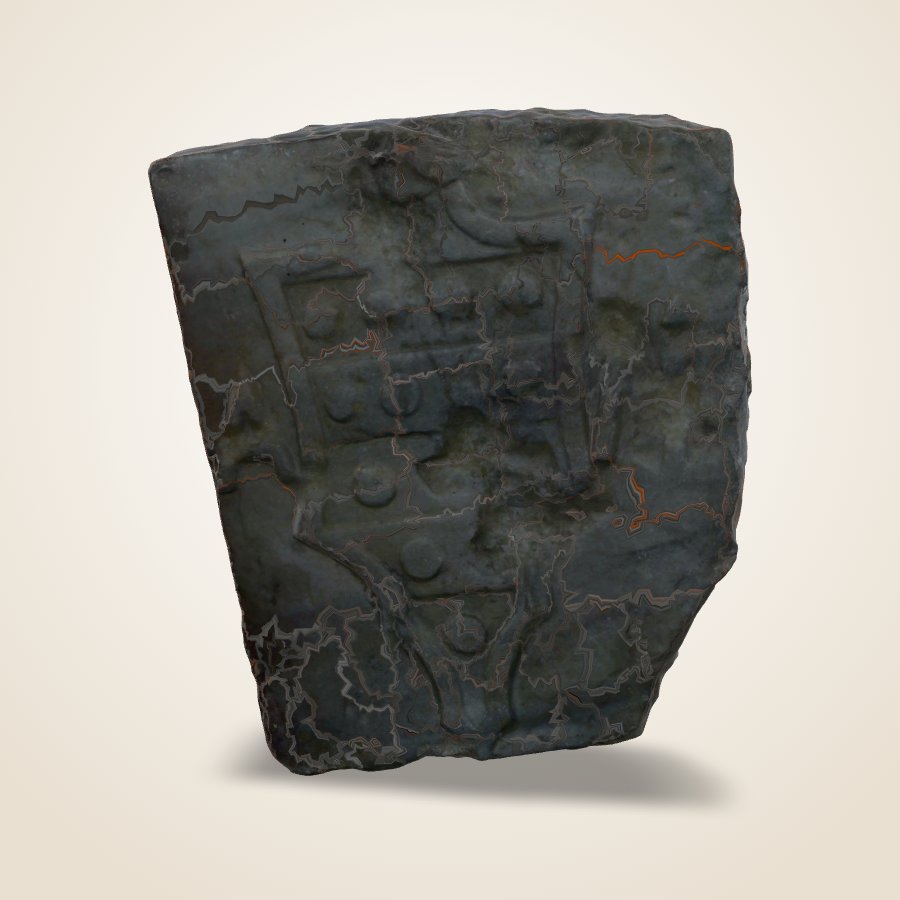
The point cloud becomes a polygon mesh, then receives texture — the colour, roughness and marks of time the object actually carries.
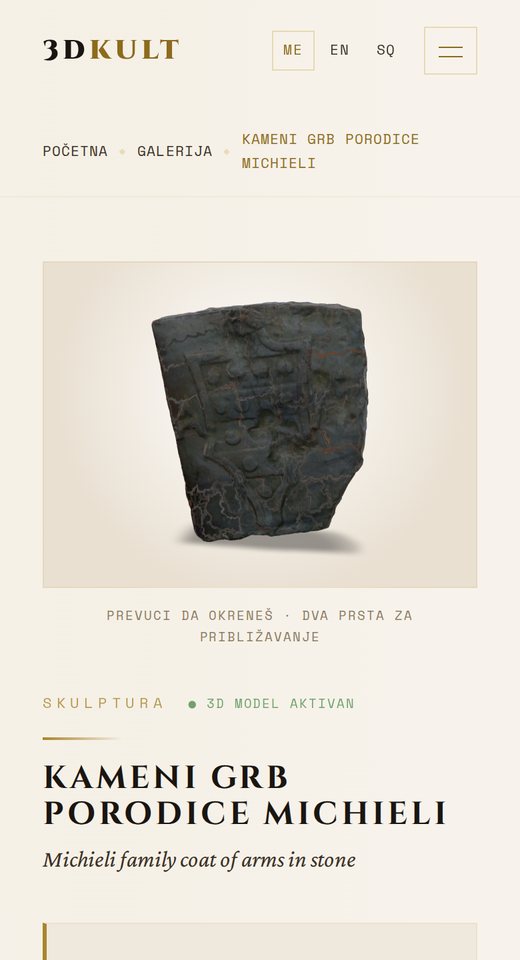
The model goes to the web, into a QR code beside the display case, and into a 3D printer as a replica you can hold.

The project “3D KULT – 3D digitisation and digital twins of cultural heritage” is carried out with the support of the Tourism Organisation of the Municipality of Ulcinj, under the Public Call for the allocation of funds for projects valorising cultural heritage — archaeological research, conservation and restoration works, reconstruction and promotion of cultural assets in the Municipality of Ulcinj, no. 01-1713/25 of 7 October 2025. The funds come from the tourist tax.