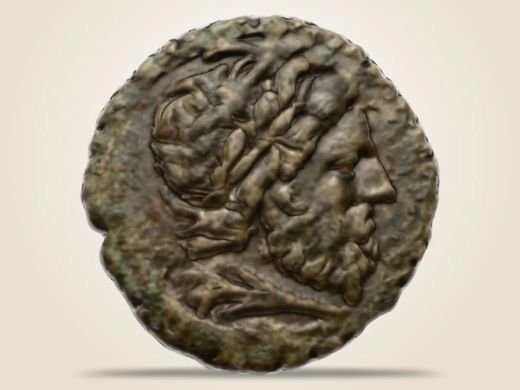
Coin of King Ballaios — Pharos type
Novac kralja Balajosa — farski tip
Drag to rotate · scroll to zoomDrag to rotate · pinch to zoom
loads {mb} MBObjects that were not scanned but reconstructed: the Old Town as a 3D model from open spatial data and, from photographs, the figurine Diva Rumina of Ulcinj, an anthropomorphic slab figurine of fired clay and the oldest object in the collection, a gem with the head of Athena from the 4th–3rd century BC, a side of the 9th-century ciborium (National Museum in Belgrade), the plaque with the IHS monogram in the Old Town, coins of Illyrian kings and cities, of medieval Ulcinj and Svač and of the Roman Empire, and finally an Illyrian-type helmet as a sample. A reconstruction is not identical to the original: shape, ornament and dimensions may differ. An exact model will come from 3D scanning the original, and for the town from a drone or lidar survey.
Description
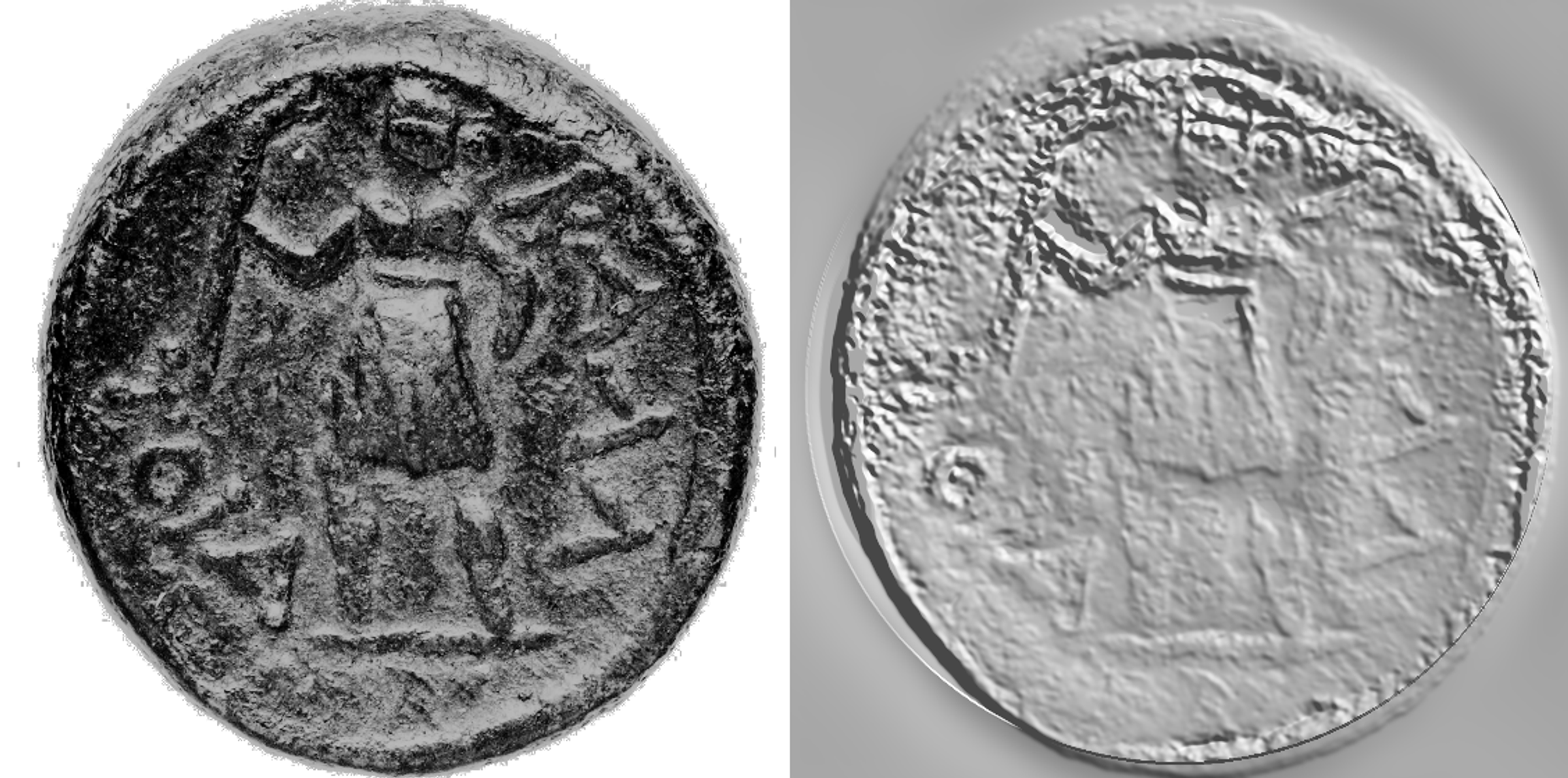
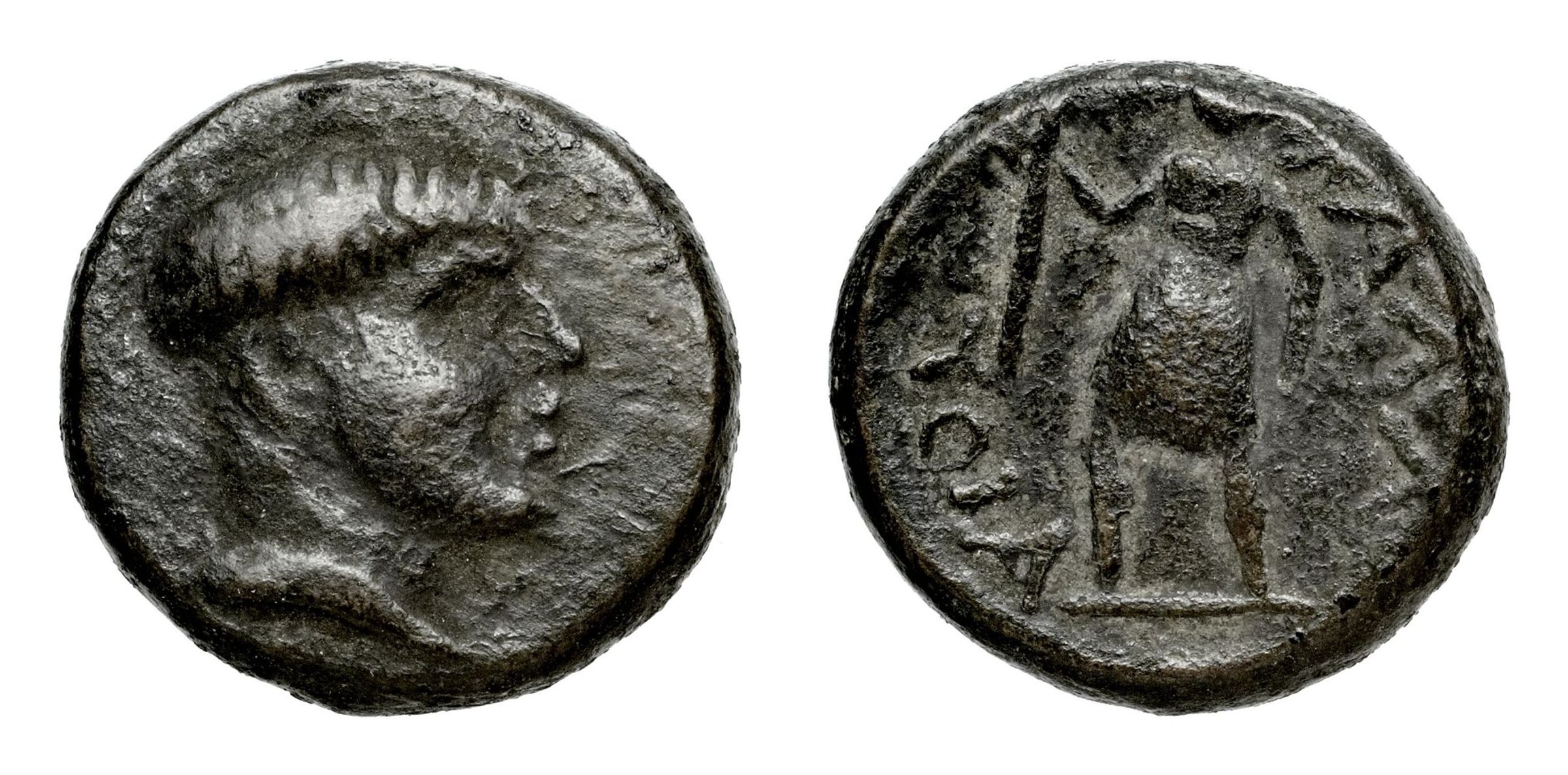
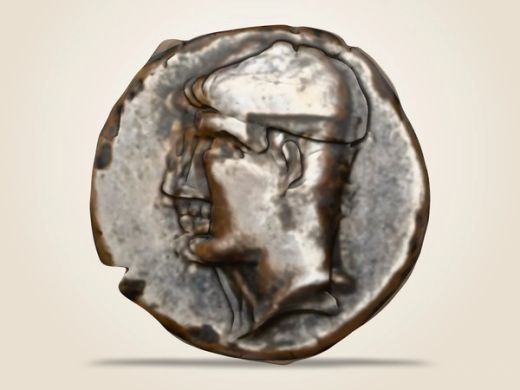
A bronze coin of King Ballaios from the Cabinet des médailles of the Bibliothèque nationale de France (Fonds général 283, 3.09 g). The library records this specimen too as struck at Pharos, on the island of Hvar, with a question mark, and dates it 167–135 BC.1 On the reverse Artemis stands facing, holding a long object which the Lexicon of the Archaeology of Montenegro describes, for this type, as a torch; letters of the legend are visible beside the figure.2
The Lexicon of the Archaeology of Montenegro distinguishes two types of Ballaios' coinage. The Pharos type, found most often around the Greek colony of Pharos on Hvar, shows a calm, standing Artemis with a torch and is known only in bronze; the Rhizon type, far more numerous and most common at Risan, shows Artemis moving quickly, with a torch and two spears, and was struck in both silver and bronze. The date 167–135 BC given by the library goes back to Arthur Evans (1880); according to the Lexicon, the most recent views place Ballaios' coinage in the second half of the 3rd century BC, and pottery and radiocarbon results from Risan in its middle.2
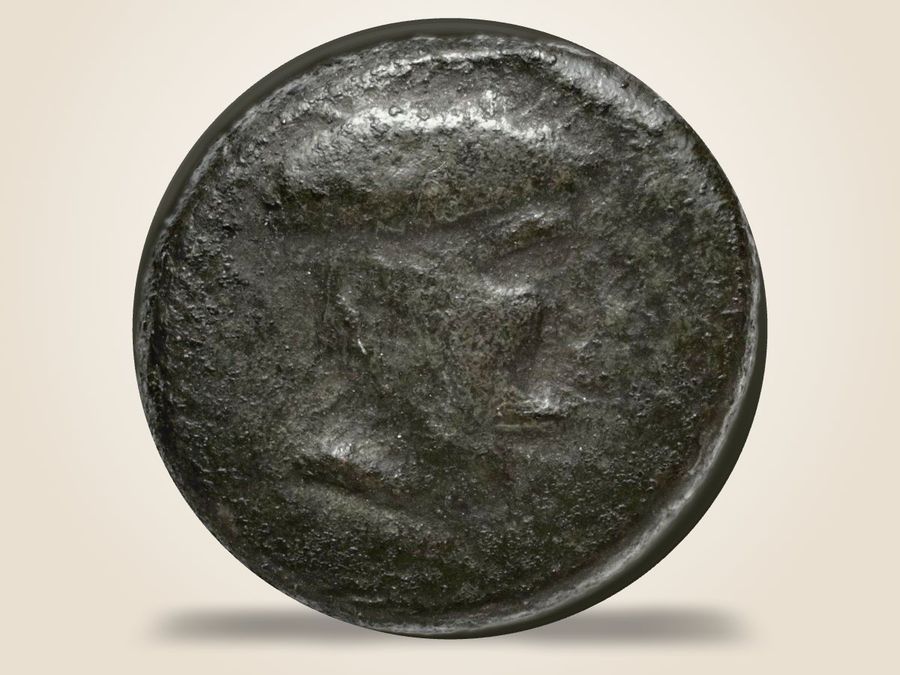
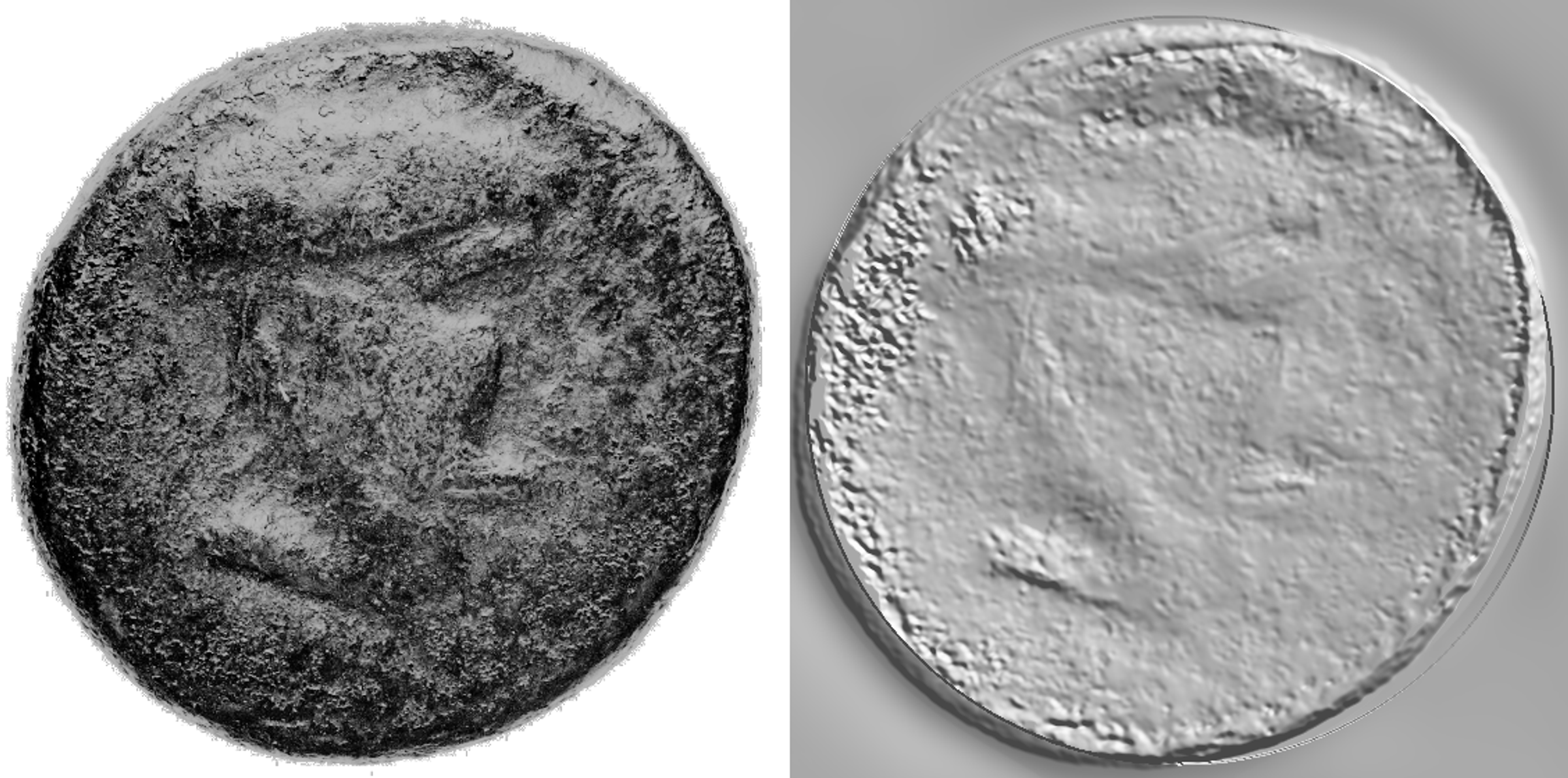
The obverse of this specimen is worn, so the king’s portrait survives on the model only in outline; the reverse is legible.
The 3D model was made from two photographs of the specimen (obverse and reverse) in the collection of the Bibliothèque nationale de France. The relief height was derived from the shading in the photograph, so the model is a faithful 3D drawing, not a measured survey of the coin. The photograph is applied to the model as its colour. For 3D printing, obverse and reverse were prepared as separate flat-backed plaques, enlarged 3:1, at true and at emphasised relief height.
The photographs of originals in the gallery come from public collections, under the licence each collection states; source and link are in the notes.34
Note (4)
- „[Monnaie : Bronze, Ballaios, Illyrie Pharos (?)]“, datovanje „-0167–-0135“, 3,09 g — Bibliothèque nationale de France, Monnaies, médailles et antiques, Fonds général 283 (Gallica record). ↩
- CANU, Lexicon of the Archaeology of Montenegro, entry “Balajos” (Č. Marković): the Pharos type has on the reverse „statičnom figurom Artemide koja drži baklju ispred sebe“ (a static figure of Artemis holding a torch before her), the Rhizon type a dynamic Artemis moving quickly to the left „s bakljom u desnoj ruci i dva koplja u lijevoj“ (with a torch in the right hand and two spears in the left); „Rizonski tip je poznat u srebru i bronzi, a faroski samo u bronzi“ (the Rhizon type is known in silver and bronze, the Pharos type only in bronze). Evans dated the coinage between c. 167 and c. 135 BC, J. M. F. May c. 195/190–175 BC; the most recent views point to the second half of the 3rd century BC, and pottery and radiocarbon results from the excavations at Risan place his reign in the middle of the 3rd century BC. ↩
- Source: photographs of the specimen from which the relief was derived, Bibliothèque nationale de France, Monnaies, médailles et antiques — https://gallica.bnf.fr/ark:/12148/btv1b8572968j. Licence: public domain. ↩
- Source: photographs of the obverse and reverse, Bibliothèque nationale de France, Monnaies, médailles et antiques, Fonds général 284 — https://commons.wikimedia.org/wiki/File:Monnaie_-_Bronze,_Incertain,_Illyrie,_Ballaios_-_btv1b8572970m_(1_of_2).jpg. Licence: public domain. ↩
Obverse and reverse
Obverse and reverse, rendered from the 3D model; metal colour and patina after photographs of the specimen.
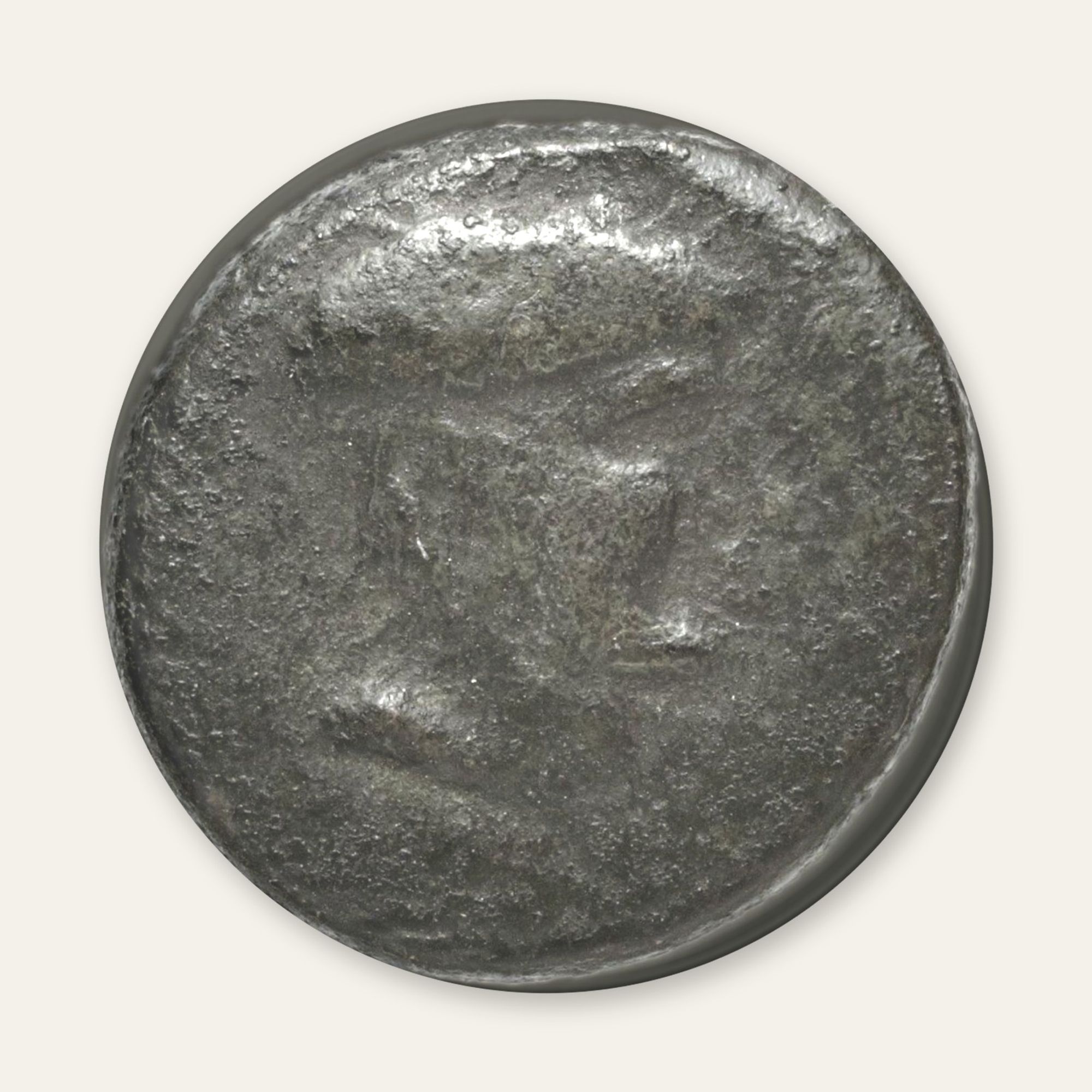
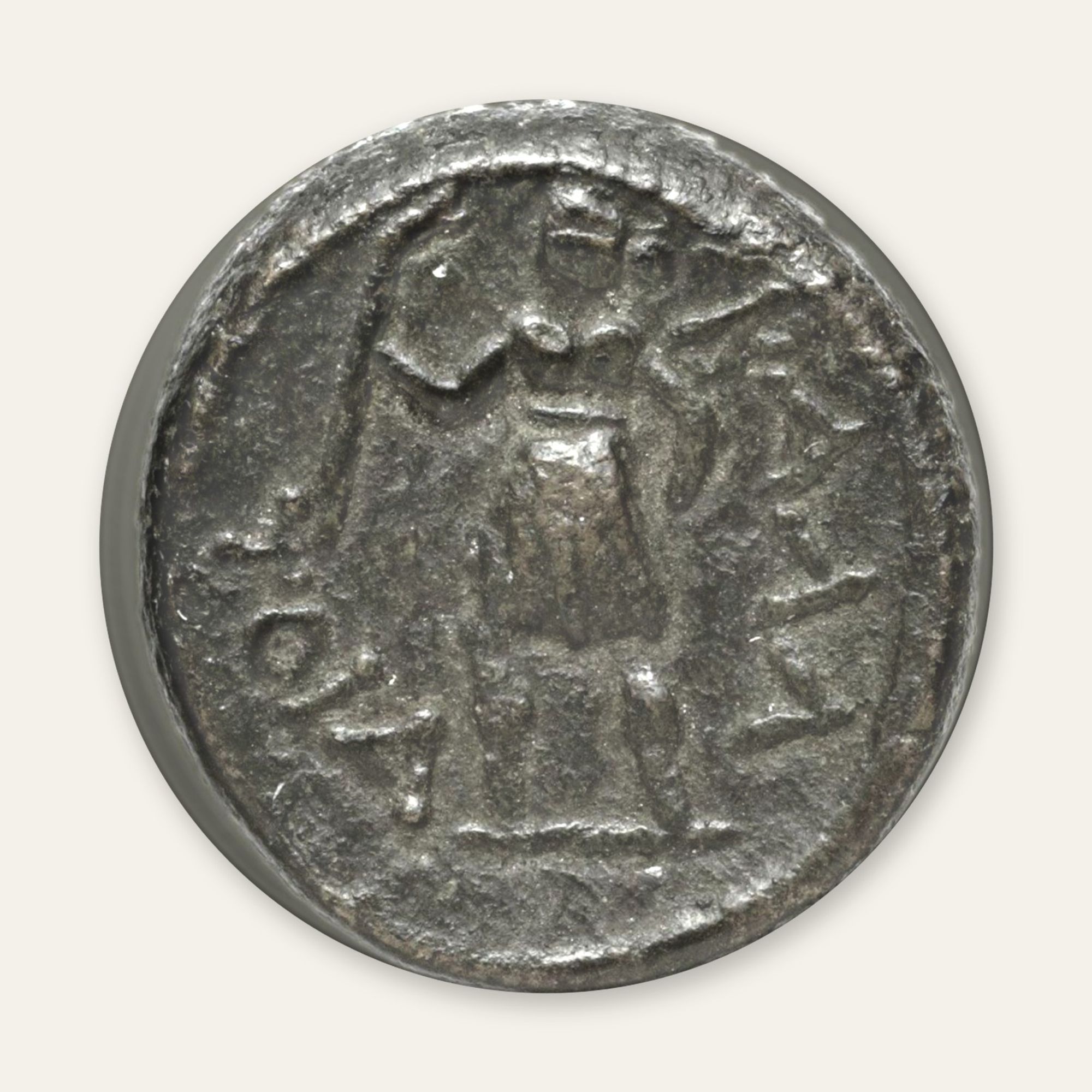
Plates from the documentation
Replicas for 3D printing
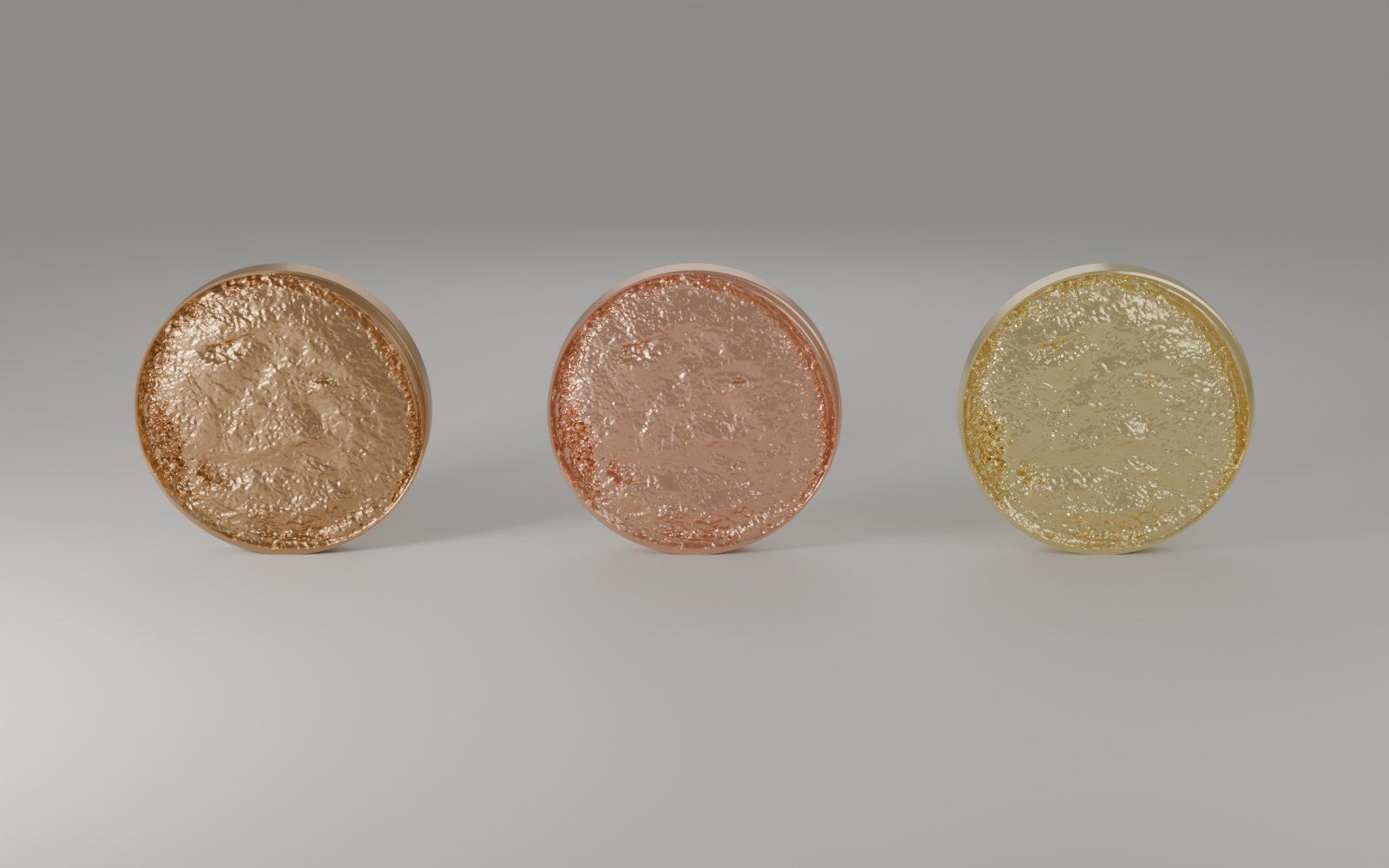
Renders of the 3D model in the proposed replica sizes and materials.
- Metal: bronze, copper, brass, silver, iron
- For objects made of metal: coins in bronze, copper and brass, the silver stater in silver, the helmet and the axe in bronze, brass and iron.
The texts, measurements and reconstructions on this site are the analysis of the project implementer (3DExperts) and do not represent the views of the Tourist Organisation of Ulcinj, the Centre for Culture Ulcinj or the Museum of Ulcinj. The findings and interpretations are to be confirmed by the competent institutions and specialists engaged in this research.
Literature and sources (4)
- Fotografije: Bibliothèque nationale de France, Département des Monnaies, médailles et antiques — gallica.bnf.fr/ark:/12148/btv1b8572968j (javno vlasništvo).
- J. Wilkes, The Illyrians, Oxford 1992.
- Fotografija originala: Bibliothèque nationale de France, Monnaies, médailles et antiques, Fonds général 284 — commons.wikimedia.org/wiki/File:Monnaie_-_Bronze,_Incertain,_Illyrie,_Ballaios_-_btv1b8572970m_(1_of_2).jpg (javno vlasništvo).
- CANU, Leksikon arheologije Crne Gore, odrednica „Balajos“ (Č. Marković) — leks.canu.ac.me/web/arhcg.php?OID=6632
From the same collection
Coin of King Ballaios — Artemis with a torch
3rd century BC (c. 260/250–230) or 2nd century BC (after 168); dating disputed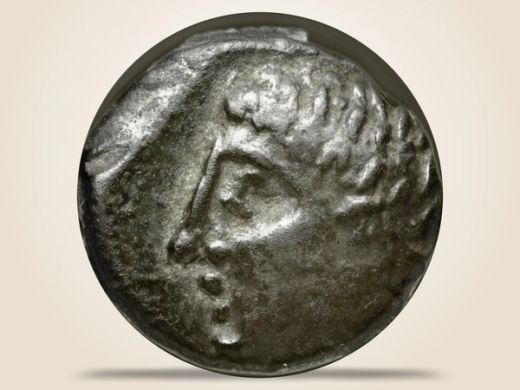
Coin of King Ballaios — Rhizon type (Risan mint)
2nd century BC, 167–135 per BnF; mid-3rd century BC per the Lexicon of the Archaeology of Montenegro (dating disputed)